thumbnail image
  • 首頁
  • 非虛構短片獎學金 
    • 第二季非虛構短片獎學金
    • 第一季
  • 非虛構寫作獎學金 
    • 第六季
    • 第五季
    • 第四季
    • 第三季
    • 第二季
    • 第一季
  • 非虛構翻譯獎學金 
    • 第三季非虛構翻譯獎學金
    • 第二季
    • 第一季
  • 紀實漫畫獎學金 
    • 第一季
    • 第二季
  • 關於「在場」 
    • 「場友」Blog
    • 「在場」作品
    • 往季評審與編輯名單
    • 策略與合作夥伴
    • 為什麼要發起「在場」?
    • 支持我們
  • 在場小課
  • …  
    • 首頁
    • 非虛構短片獎學金 
      • 第二季非虛構短片獎學金
      • 第一季
    • 非虛構寫作獎學金 
      • 第六季
      • 第五季
      • 第四季
      • 第三季
      • 第二季
      • 第一季
    • 非虛構翻譯獎學金 
      • 第三季非虛構翻譯獎學金
      • 第二季
      • 第一季
    • 紀實漫畫獎學金 
      • 第一季
      • 第二季
    • 關於「在場」 
      • 「場友」Blog
      • 「在場」作品
      • 往季評審與編輯名單
      • 策略與合作夥伴
      • 為什麼要發起「在場」?
      • 支持我們
    • 在場小課
訂閱即時資訊
  • 首頁
  • 非虛構短片獎學金 
    • 第二季非虛構短片獎學金
    • 第一季
  • 非虛構寫作獎學金 
    • 第六季
    • 第五季
    • 第四季
    • 第三季
    • 第二季
    • 第一季
  • 非虛構翻譯獎學金 
    • 第三季非虛構翻譯獎學金
    • 第二季
    • 第一季
  • 紀實漫畫獎學金 
    • 第一季
    • 第二季
  • 關於「在場」 
    • 「場友」Blog
    • 「在場」作品
    • 往季評審與編輯名單
    • 策略與合作夥伴
    • 為什麼要發起「在場」?
    • 支持我們
  • 在場小課
  • …  
    • 首頁
    • 非虛構短片獎學金 
      • 第二季非虛構短片獎學金
      • 第一季
    • 非虛構寫作獎學金 
      • 第六季
      • 第五季
      • 第四季
      • 第三季
      • 第二季
      • 第一季
    • 非虛構翻譯獎學金 
      • 第三季非虛構翻譯獎學金
      • 第二季
      • 第一季
    • 紀實漫畫獎學金 
      • 第一季
      • 第二季
    • 關於「在場」 
      • 「場友」Blog
      • 「在場」作品
      • 往季評審與編輯名單
      • 策略與合作夥伴
      • 為什麼要發起「在場」?
      • 支持我們
    • 在場小課
訂閱即時資訊
  • Non-Fiction Translation Fellowship

    Season 3

    在場 · 非虛構翻譯獎學金 第三季

    Translation Retreat 2026

    November 12–15|Duke University

  • Meet Our Translation Retreat 2026 Fellows

    *Sorted Alphabetically by Surname
    Section image

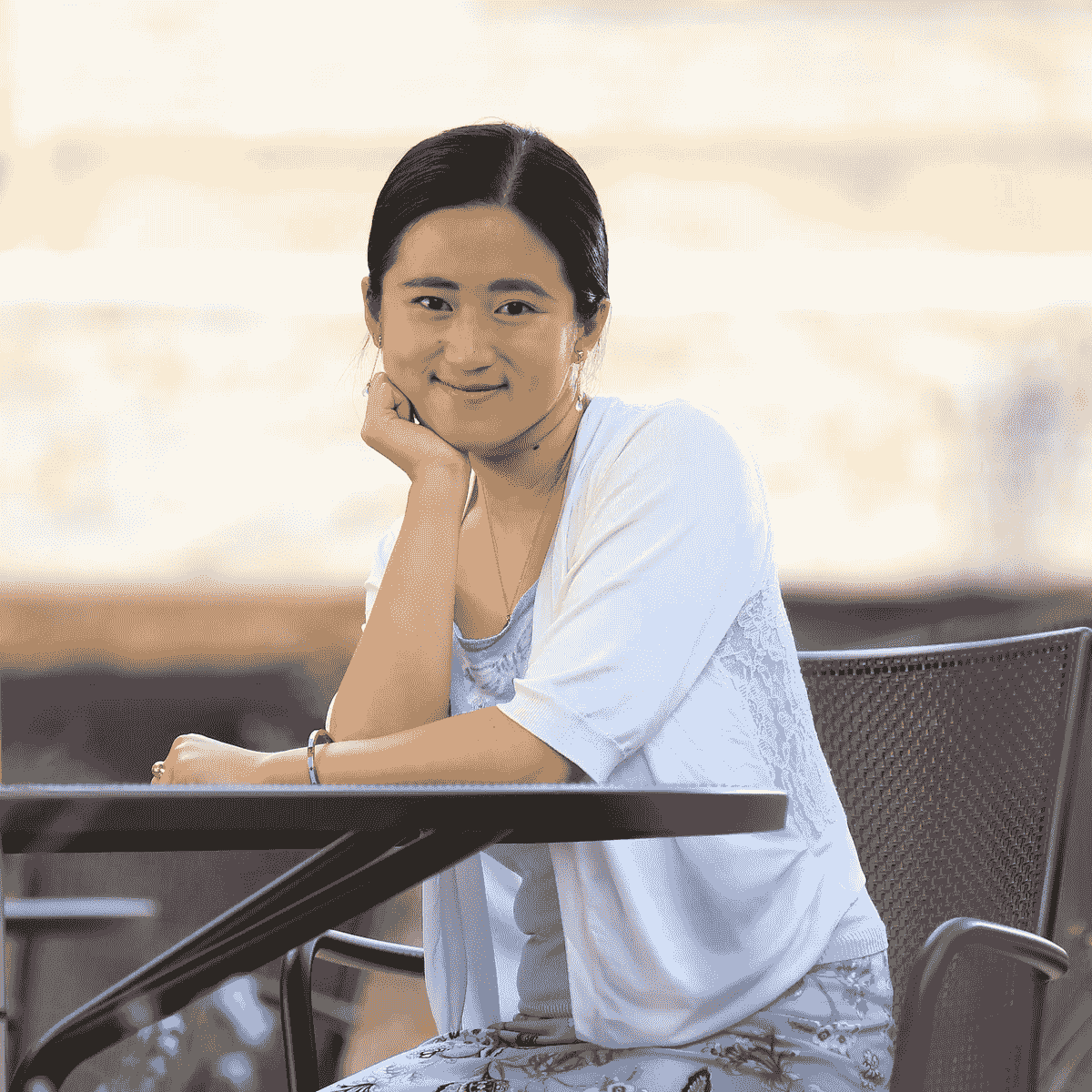
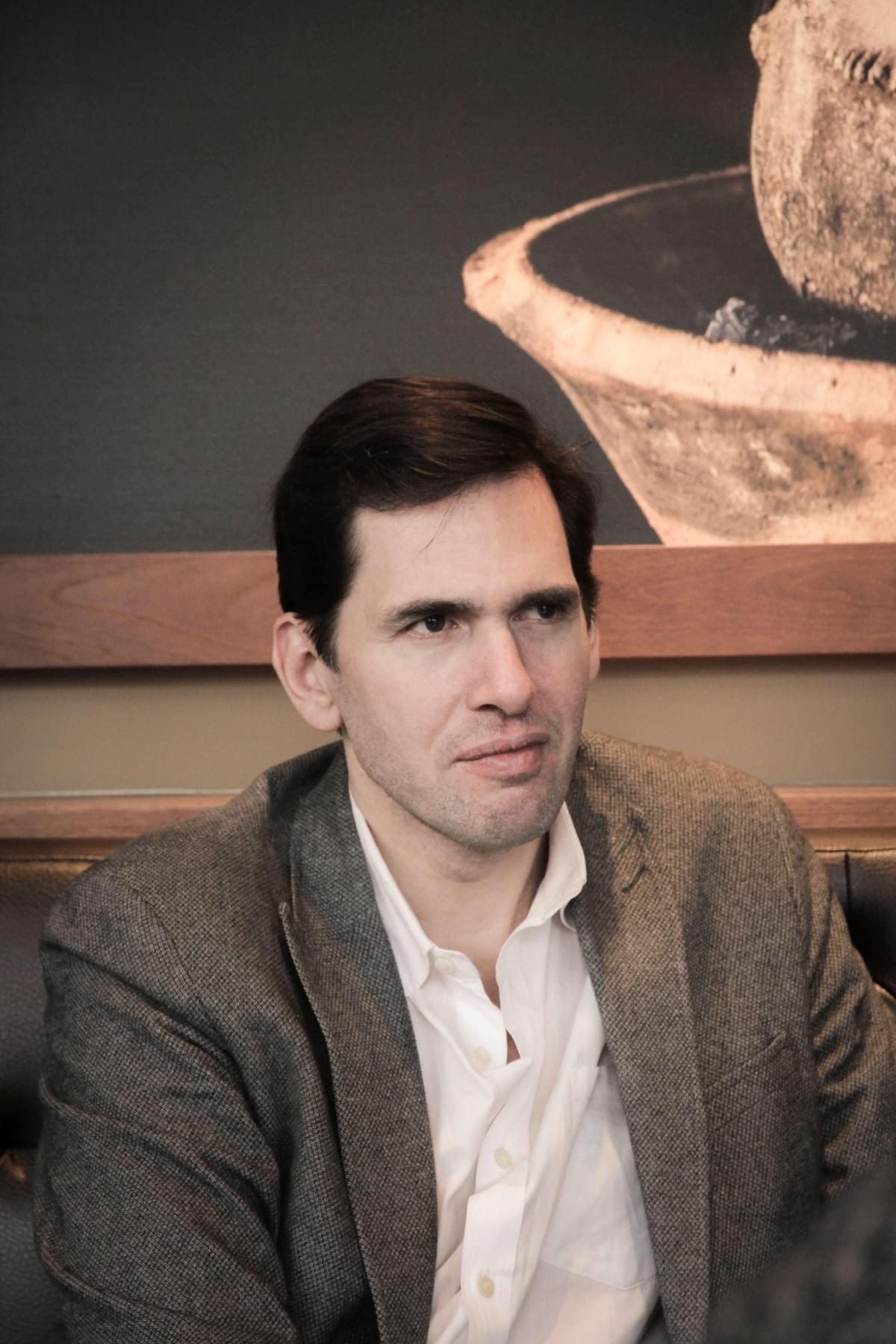
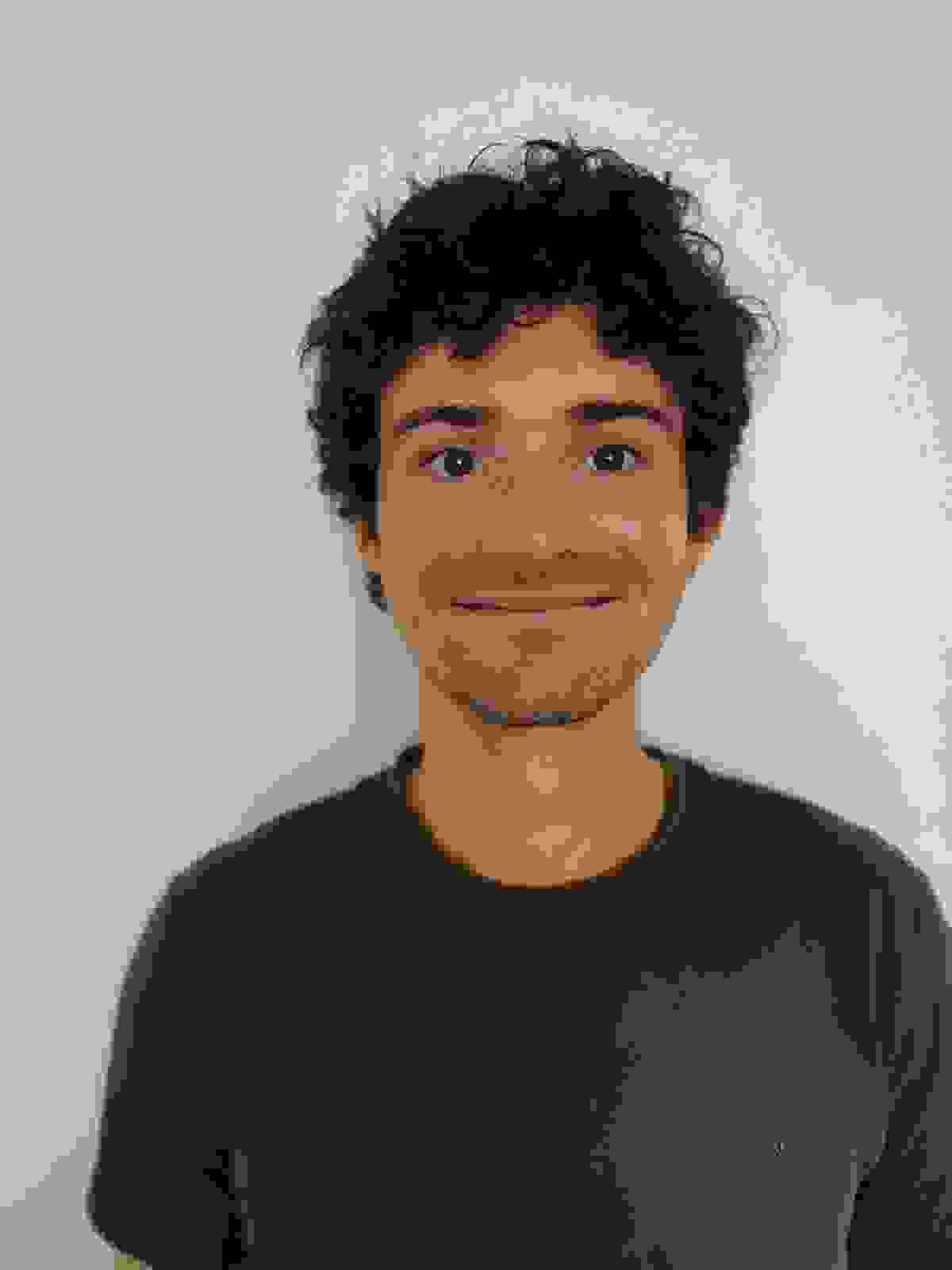
    Jack Hargreaves

    Retreat Fellow · Translation Fellowship Stipend Recipient

    Jack Hargreaves is a translator of Yorkshire extraction. His literary work, recognised by English PEN, has appeared on adda, Arts of the Working Class, Asymptote Journal, Granta, Samovar, The Southern Review and elsewhere. His full-length non-fiction publications include co-translations, with Yan Yan, of Winter Pasture by Li Juan and Seeing by Chai Jing (Astra House, 2021 and 2023, respectively), as well as I Deliver Parcels in Beijing by Hu Anyan (Allen Lane/Astra House, 2025). From non-fiction translation, Jack has learned about the history of philosophical thought in China, monastic mural painting and thangka art, Republican-era sci-fi, the punk scene in Kuala Lumpur, China silk in Hollywood, Taiwanese indigenous architecture, and much more. He has taught translation at the universities of Leeds and Aberdeen, SOAS and Hong Kong Baptist University, and writes for the China Books Review.

    Translation Project

    The Life Course of the Han River (《汉水的身世》, Citic, 2022), or The Han River Prayer as the writer originally planned to call it, is 袁凌 Yuan Ling's biography of the chief source of water for more than 60 million people in Northern China, which gave the Han Dynasty, Han people and Han language their name. A native of the river's basin, Yuan Ling has travelled its course for decades, meeting and documenting the lives of the sailors, fishermen and migrants who reside and work along it, recording the changes wrought on their livelihoods and the natural environment, first, by industrial development, then by the imperfect measures put in place to curb further damage.

    Section image

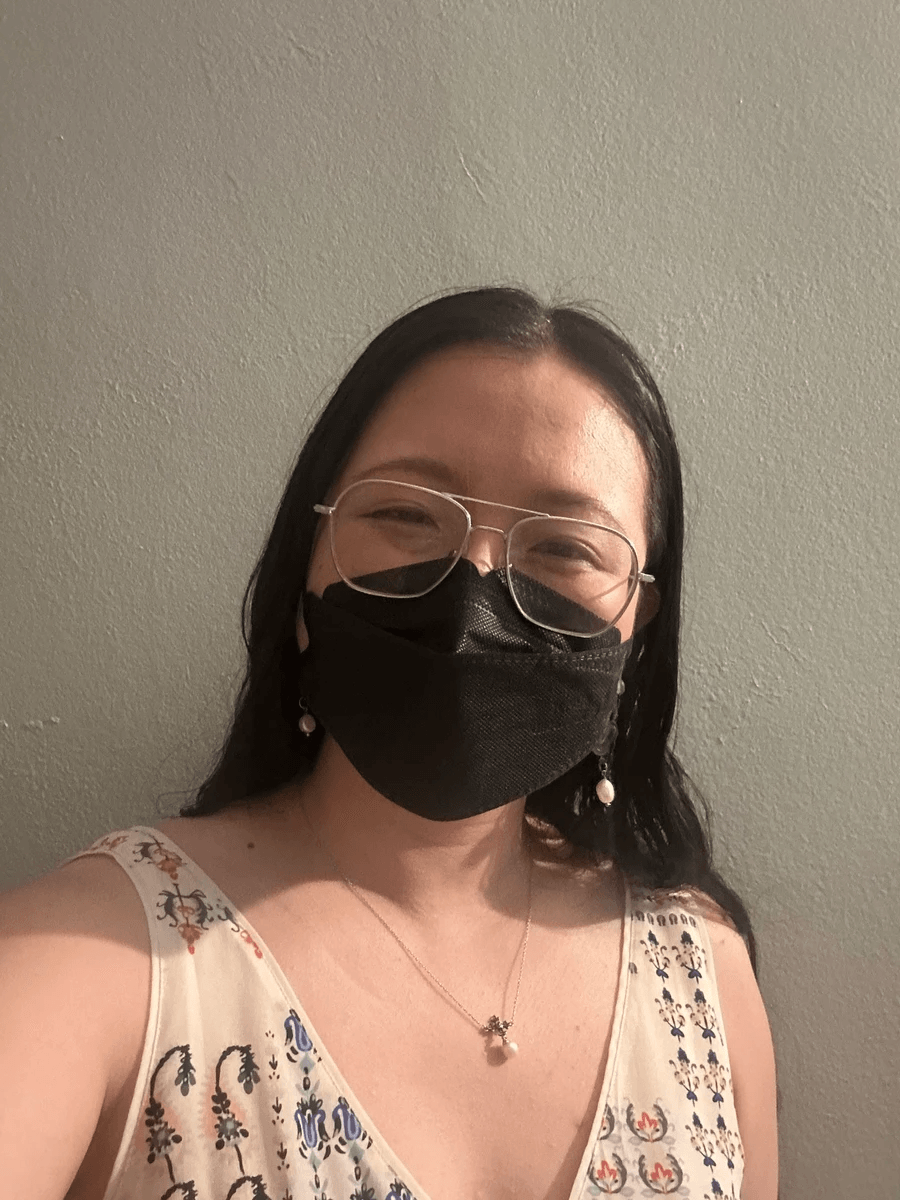
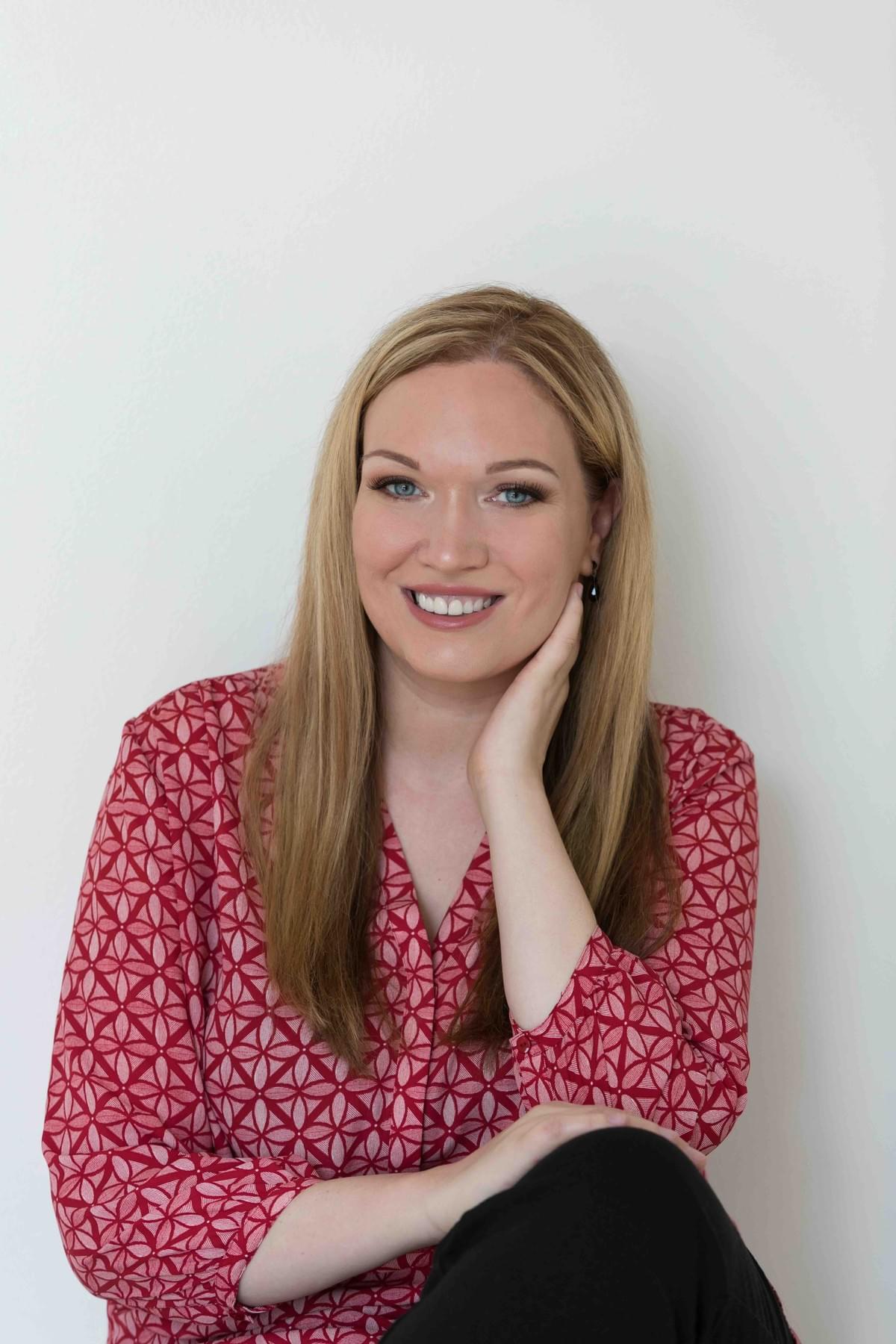
    Nicole Liu

    Retreat Fellow · Translation Fellowship Stipend Recipient

    Nicole Liu is a writer, translator, interpreter, and PhD student based in Chicago. She translates into and from Mandarin, Cantonese, and English. Her current research focuses on the circumstances shaping contemporary literature production and circulation in the Pearl River Delta region. You can find Nicole's most recent works and translations in Qilu Criticism and te magazine issue 4: Spinal Memory.

    Translation Project

    Nicole will be translating a series of personal essays, first-person reportage, and artist statements sourced from independent journals created by and dedicated to vocational school students in mainland China. With the support of Frontline Fellowship, she is interested in exploring the specific ways translation can become an extension of the collaborative, creative process that is central to the ethos of these journals. She hopes that her translations can join the effort of providing a broader readership with new insights into vocational school students and shifting more readers into considering these frequently marginalized figures as potential collaborators, reciprocal readers, and fellow writers.
    Section image

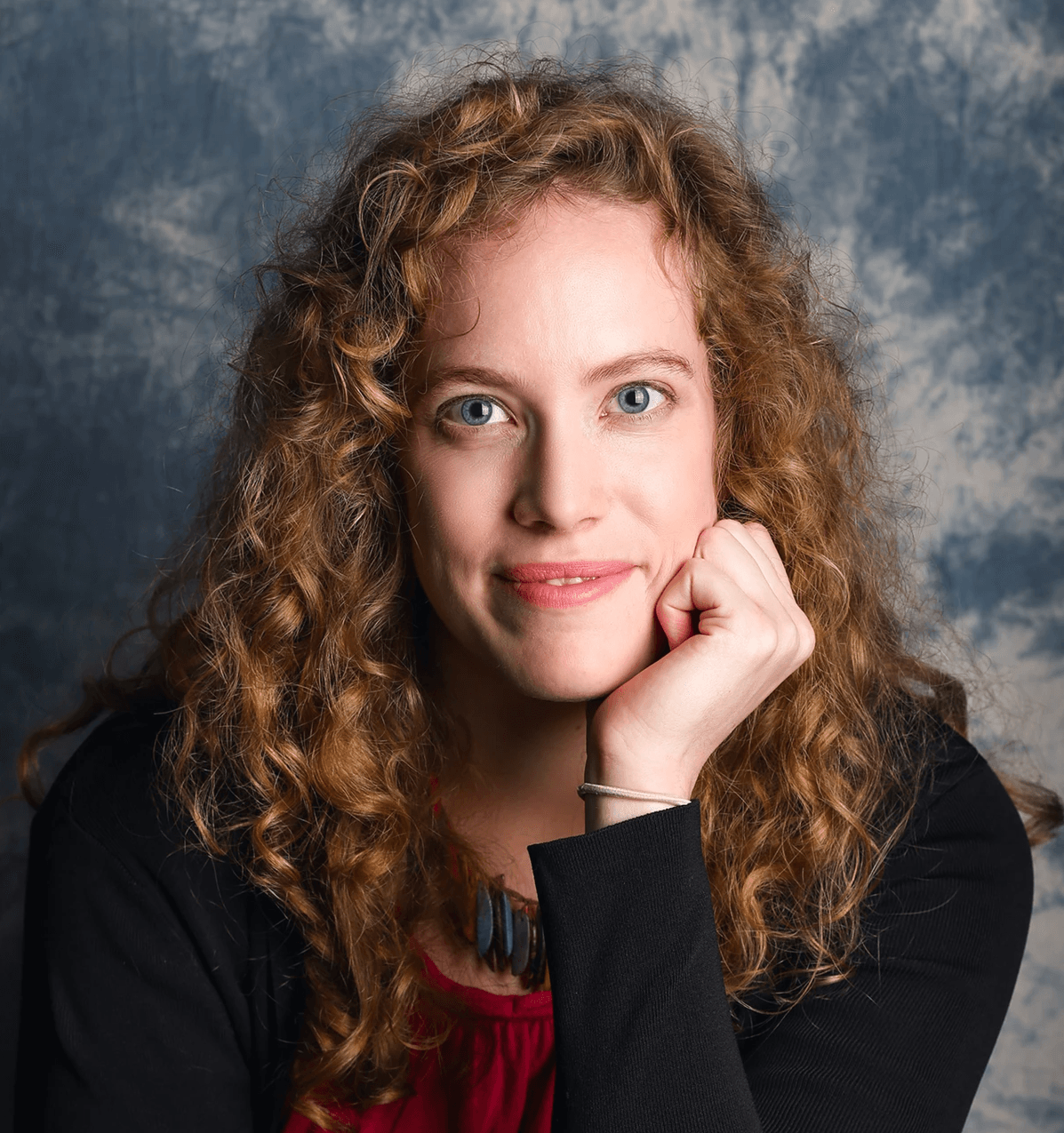
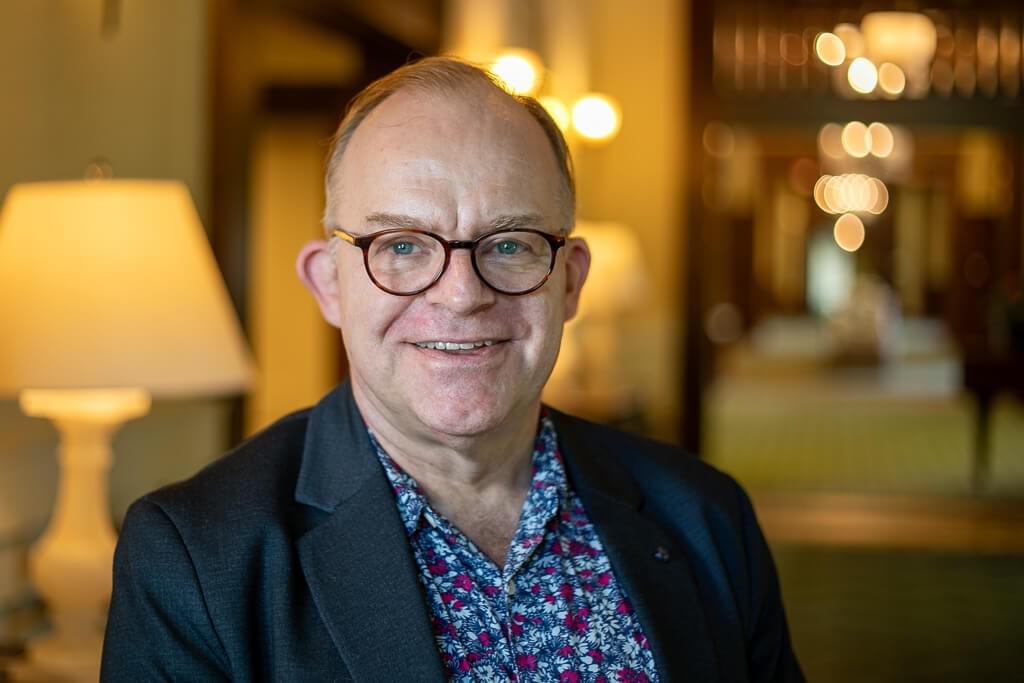
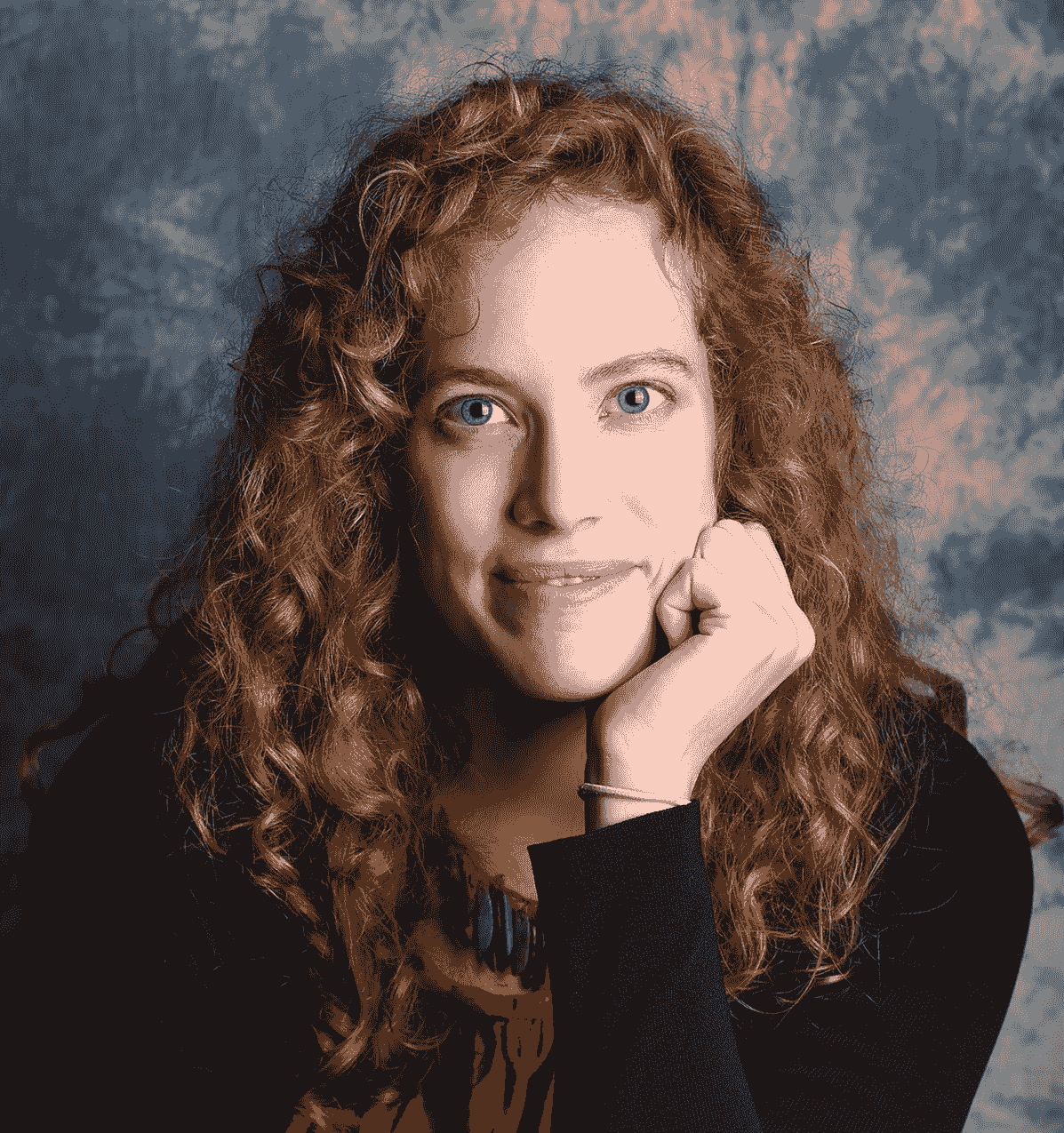
    Hannah Lund

    Retreat Fellow · Translation Fellowship Stipend Recipient

    Hannah Lund is a writer, editor, and translator with a master's degree in comparative and world literature from Zhejiang University. She was shortlisted for the 9th Bai Meigui Translation Competition through the University of Leeds, and her translations have appeared in Sixth Tone, The Shanghai Literary Review, the documentary Calling Back From Wuhan, and an anthology through the Northeast Asia Art Archive. Her first book-length translation is forthcoming through Goldmye. Her own nonfiction writing has appeared in Brink, The Boston Globe, Atlas Obscura, The Shanghai Literary Review, Speculative Nonfiction, and more. After living in China for 12 years, she is now based in Chicago, where she currently works at The University of Chicago Press and edits for Asymptote journal.

    Translation Project

    A collection of humor essays by a writer originally from Shandong who made his home in the United States. The essays describe the strange practices and cultural differences of his new home for readers back in the Chinese-speaking world. Rife with sharp humor and observations, the essays are imbued with a strong sense of curiosity and deep appreciation for the mundanities that make us all human.

    I happened upon the collection more than a decade ago. At the time, I assumed it would be akin to Horace Miner's Body Ritual Among the Nacirema in how it would point out the oddities in the land I technically called my home—which I was eager to see, especially after listening to expats complain about all the ways China just didn't get it for over a year. The collection ended up being so much more than that. It has such joie de vivre, which is downright inspiring. Since relocating to the U.S. after living in China for 12 years, I've returned to this collection. This time, I am struck by the profound love within the humor, and how the vantage point of the "outsider" (whether imposed on him or worn as a writing persona) can be a precious, though precarious, perspective. Even now, living in a culture that I am expected to remember and "go back" to, my time away in China has left me feeling like an eternal outsider—which, as the essays illustrate, is not always a bad thing, and which just might be what it means to be a translator.
    Section image

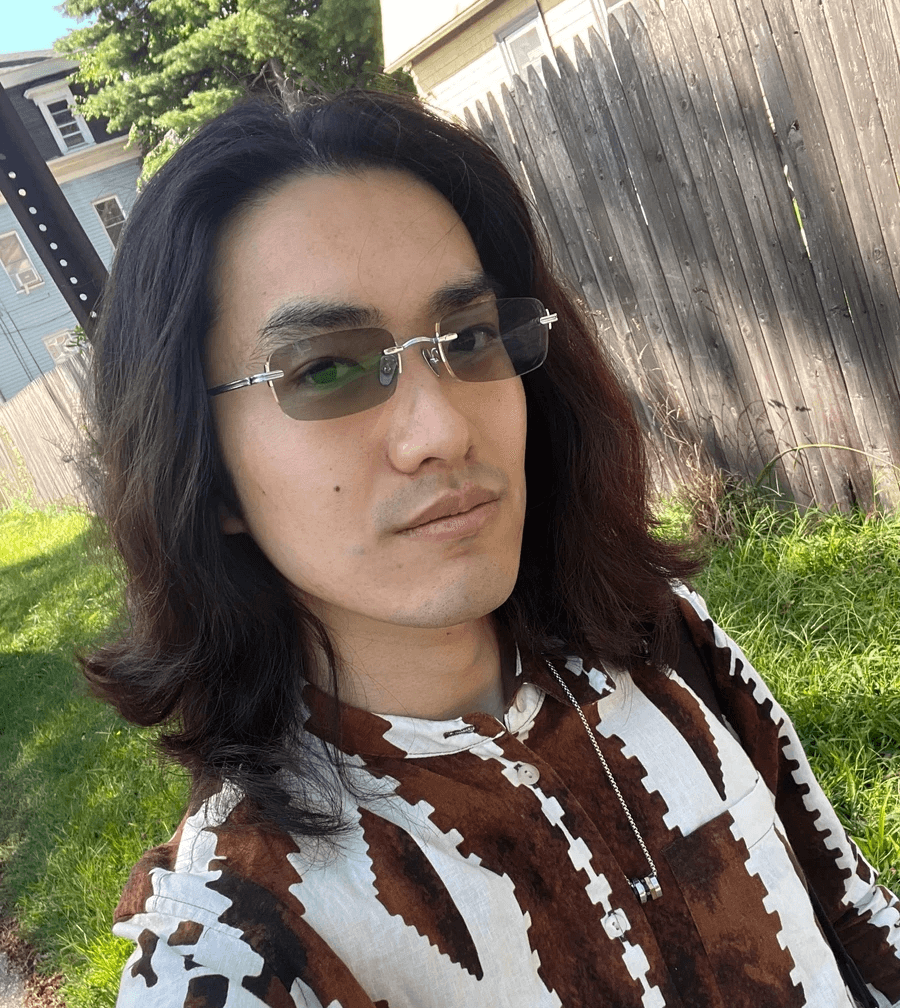
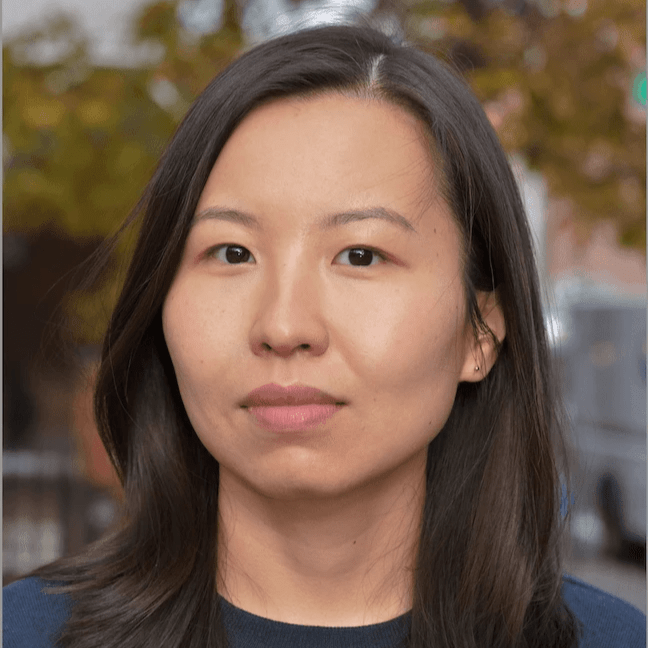
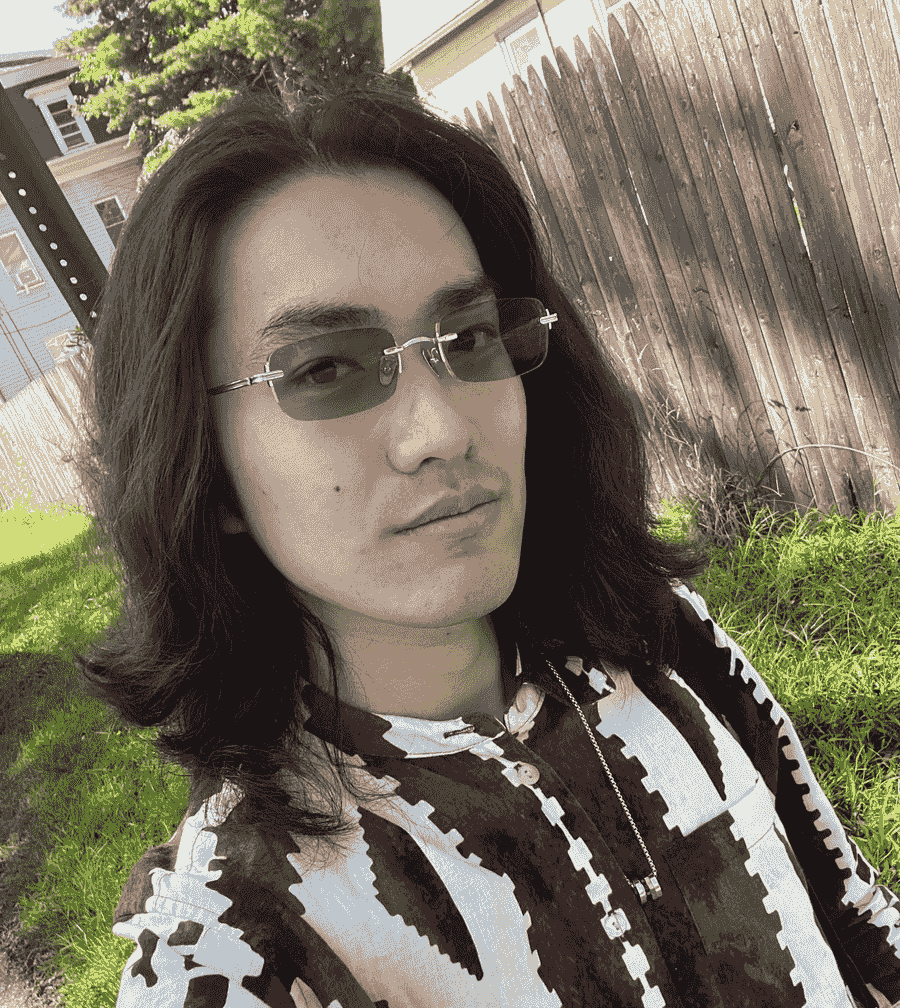
    Tianren Luo

    Retreat Fellow

    Tianren Luo is a third-year doctoral student in the Department of Comparative Literature at Brown University and currently a Cogut Collaborative Humanities Fellow. An interdisciplinary scholar, writer, and activist, they work at the intersections of racial capitalism, extractivism, decolonial theory, and contemporary art criticism, with a focus on postcolonial Africa and Asia. Tianren's project examines the entanglement among extractivism, transoceanic logistics and racial capitalism across Africa and Asia in post-1980s global capitalism. Working transcontinentally with experimental films, novels, photography, and archives from various port cities, their project rethinks the concepts of "zones" and "zonal capitalism" and revisits critiques of the "offshore" by foregrounding an Afro-Asian relational geography as a site of ongoing imperial formation and a frontier of transnational resistance and decolonial knowledge production. Tianren has also written against data capitalism, including critical studies on surveillance state infrastructure and the racial-colonial logistics of AI extractivism. Working across English, French, and Mandarin Chinese, they have also translated poetry and activist writings. Their writing has appeared or is forthcoming in venues including Cultural Politics, positions politics, Theory, Culture & Society, ASAP/Review, and Critical Asian Studies, among others.

    Translation Project

    Written following the authors' post-pandemic return to Nairobi, "Observations on the 'Chinatowns' in Kenya" traces the transformations of an African global city alongside the ongoing formation of "Global China." On one hand, rapid gentrification driven by Chinese capital investment is visibly reshaping the city's aesthetics through newly erected glass towers, apartment buildings under construction, and real estate advertisements. On the other hand, Nairobi has gained rising visibility on Chinese social media under hashtags like "Work Abroad in Africa" and "Go to Africa to Invest." Nairobi's Chinatown has thus become an emergent site where these trends converge. Wang and Su trace five scenes of everyday interaction that continuously remake this space—from the "Ramax Shopping Village" to online delivery platforms launched by Chinese diasporic communities. In doing so, as the authors write, the piece "presents to readers the dynamic tension in the localization of Global China in Africa: segregated while interdependent, with both boundaries and negotiation traversing them."

  • Overview

    The Frontline Translation Retreat is a four-day, three-night residential gathering for a select group of emerging and established translators working on non-fiction translation, from Chinese into English.

    The translation retreat will be held at Duke University and environs. Participants are invited to join in a public symposium on world literature, featuring keynotes by Orhan Pamuk, Viet Thanh Nguyen, David Damrosch, Homi Bhabha, and other luminaries. Part 2 of the retreat will feature a series of closed-door workshops bringing together fellows with established translators, editors, and publishers, for a period of focused conversation, project development, and community building.

    Designed as a gathering rather than a conventional training program, the retreat offers participants the opportunity to deepen their translation practice, receive mentorship, share and refine translation projects, and connect with a growing network of peers and professionals dedicated to bringing Chinese-language nonfiction into global circulation. In order to offer more accessibility and provide support for costs, those who wish may apply for one of three competitive Translation Fellowships stipends (USD $1000).

    Building on the successes –and constructive feedback– from the first two seasons of the Frontline Non-Fiction Translation Fellowship, the Fall 2026 retreat represents a new effort to support not only individual translation projects, but also the people and communities that make them possible.

    Program Description

    Over four days, participants will join a small cohort of approximately 10–15 translators, scholars, editors, publishers, and fellows. Together, they will explore the craft, practice, and future of translation through workshops, mentorship, project discussions, and informal exchange. Three participants will also be selected to receive Frontline Translation Fellowships, each including a USD $1,000 stipend to support participation in the retreat and their translation projects.

    Participants will stay together in a shared residence near Duke University, creating opportunities for sustained conversation both within and beyond the formal program. In addition to attending selected sessions of a public symposium featuring internationally acclaimed writers and translators, participants will have dedicated time and space to focus on their own translation projects while learning from experienced practitioners and publishing professionals.

    Beyond the formal program, the retreat places equal value on informal exchange, shared meals, and conversations that continue outside scheduled sessions. We believe that some of the most meaningful developments in translation emerge not only through individual practice, but also through the relationships, collaborations, and communities built along the way.

    Participants may have opportunities to:

    • Receive one-on-one mentorship from translators, scholars, editors, and publishers.
    • Share and refine translation projects through project discussions and peer exchange.
    • Participate in conversations about publishing, career development, and the future of translation.
    • Attend selected symposium sessions, talks, and public events.
    • Build relationships with translators working across different regions, disciplines, and professional contexts.
    • One of three Translation Fellowships (USD $1,000 each).

    Who Should Apply

    We welcome applications from translators working from Chinese nonfiction into English who wish to bring a translation project to the retreat. Projects may be completed, in progress, or at an earlier stage of development.

    Applicants may include:

    • Emerging translators working from Chinese into English.
    • Independent translators and literary practitioners.
    • Graduate students in translation, literature, or related fields.
    • Translators seeking deeper engagement with literary and nonfiction communities.
    • Practitioners interested in bringing Chinese-language nonfiction to international readerships.

    Applicants should demonstrate a serious commitment to translation and submit a nonfiction translation project they wish to explore, refine, or discuss during the retreat.

    What's Included

    Selected participants will receive:

    • Three nights of accommodation. Participants will stay in a larger shared residence with the possibility of shared bedrooms and common gathering spaces.
    • All retreat meals.
    • Participation in workshops and discussions.
    • Individual mentorship sessions.
    • Access to selected symposium events featuring internationally recognized and award-winning writers and translators.

    The retreat is designed to remain accessible by covering accommodation, meals, and all program costs. Participants are responsible for:

    • Round-trip transportation to and from Durham, North Carolina (Airport: RDU, Amtrak station: Durham station). Campus and local bus shuttles are free to the public.
    • Travel insurance and medical insurance.
    • Visa application fees (if applicable).
    • Local transportation outside official retreat activities.
    • Personal expenses.

    We strongly recommend that all participants obtain comprehensive travel and health insurance for the duration of their stay.

    Translation Fellowships

    To increase accessibility, Frontline Fellowship will award three Translation Fellowships through an open call. Applicants should also indicate if they are interested in being considered for one of the three fellowship stipends.

    Fellowship Award

    Each fellowship recipient will receive:

    • USD $1,000 Fellowship Award.
    • Full participation in the retreat.
    • Membership in the Frontline Fellowship network.

    The fellowship is intended both to support participation in the retreat and to provide direct support for the recipient’s translation project.

    Applicants do not need to submit a separate fellowship application. Instead, applicants should indicate if they are interested in being considered for one of the three fellowship stipends in the application form.

  • How to Apply?

    1

    Tell us a little about yourself

    1. Your name.
    2. Your email.
    3. Statement of Interest: (You may wish to address the following in your statement)
      1. Your background and experience in translation.
      2. Why you wish to participate?
      3. What you hope to gain from the retreat?
      4. Why do you believe the translation of Chinese-language nonfiction continues to matter today?
      5. Do you consider AI tools part of your craft? What might you not use AI for in translation?
    2

    Nonfiction Translation Project

    Please introduce the nonfiction project you plan to bring to the retreat.
    1. Project Title.
    2. Author.
    3. Project Description:
      1. The nonfiction work you plan to bring to the retreat and why.
      2. Its current stage of development (if applicable).
      3. The questions, challenges, or opportunities you hope to explore during the retreat.
      4. Information on authorship and copyright, if any.
    4. 1,000 words of a translated work in English (optional).
    5. Upload Chinese source text.
    3

    Complete and Submit the Application Form

    Application closed.

    *All the information you provide in the application form will be used solely for the selection process of the "Frontline Fellowship". The Fellowship will not share your information with any third party. Please carefully review all instructions on this page before applying.
    If you have any questions, please send an email to hi@frontlinefellowship.io. We will get back to you within three business days.
  • Frequently Asked Questions

    If the FAQs below do not answer your questions, please feel free to contact us at hi@frontlinefellowship.io

    Do I need previous publication experience to apply?

    No. Applicants do not need to have published translations. We welcome emerging translators as well as those with more established practitioners.

    What is the working language of the retreat?

    The primary working language of the retreat is English.

    Applicants should be comfortable participating in workshops, discussions, and mentorship sessions in English. Reading knowledge of Chinese is expected as part of the translation work.

    Do I need to have an ongoing translation project?

    Applicants are expected to bring a Chinese-language nonfiction translation project that they wish to explore during the retreat. Projects may be completed, in progress, or at an early stage of development.

    The retreat is designed to support meaningful discussion, mentorship, and exchange around translation projects. We therefore encourage applicants to bring a project they would like to share, refine, or further explore during the retreat.

    How much time am I expected to commit during the retreat?

    Participants are expected to attend the full retreat and actively engage in workshops, discussions, mentorship sessions, and community activities.

    Because the retreat is designed as a residential and community-centered experience, participants should plan to be fully present throughout the program.

    What kinds of projects are eligible?

    We welcome a broad range of Chinese-language nonfiction projects, including:

    • Book-length nonfiction
    • Longform journalism
    • Essays and literary nonfiction
    • Memoir and life writing
    • Oral history
    • Documentary and narrative nonfiction

    Both published and unpublished source texts are eligible.

    What does the retreat cover?

    Selected participants will receive:

    • Three nights of accommodation
    • All retreat meals
    • Access to workshops, discussions, and masterclasses
    • Individual mentorship sessions
    • Access to selected symposium events

    Do I need to have secured translation rights before applying?

    No. Applicants are not required to have secured translation rights at the time of application. However, applicants should be prepared to discuss the publication context and future plans for their projects if relevant.

    What expenses am I responsible for?

    Participants are responsible for:

    • Round-trip travel to and from Durham, North Carolina
    • Travel and medical insurance
    • Visa application fees (if applicable)
    • Personal expenses
    • Transportation outside official retreat activities

    How are the Translation Fellowships awarded?

    Three Translation Fellowships will be awarded through the application process.

    Each fellowship includes a USD $1,000 award intended to support both participation in the retreat and the recipient’s translation project.

    Applicants do not need to submit a separate fellowship application. Instead, applicants should indicate if they are interested in being considered for one of the three fellowship stipends in the application form.

    What are the accommodation arrangements?

    Participants will stay together in a shared residence near Duke University. Accommodation may include shared bedrooms and shared common spaces. Further details will be provided to selected participants.

    Will the organizers provide visa support?

    Participants are responsible for obtaining any necessary visas. The organizers can provide invitation letters and supporting documentation for selected participants if needed.

  • Meet our Non-Fiction Translation Fellows

    Through the first and second rounds of the fellowship,

    we supported eight translators in completing English translations of Chinese-language nonfiction works.

    Section image

    Yan Chen

    翻譯

    《戰火下的文學抉擇:烏克蘭的去俄化與身份認同重塑》

    (原作者:糜緒洋,在場・非虛構寫作獎學金第四季得獎作品)

    Section image

    Dominic Wong

    翻譯

    《泰國 —— 中國跨性別的應許之地》

    (原作者:胡卯,在場・非虛構寫作獎學金第四季得獎作品)

    Section image

    David Yang

    翻譯

    《愛沙尼亞的中國「數字居民」:通往新身份之路》

    (原作者:周悠遊,在場・非虛構寫作獎學金第二季得獎作品)

    Section image

    Hongyu Jasmine Zhu

    翻譯

    《伊人在暹羅》

    (原作者:李潔琳,在場・非虛構寫作獎學金第四季得獎作品)

    Section image

    Yo-Ling Chen

    翻譯

    《她們的 AI 戀人——真實或虛妄的愛》

    (原作者:ScarlyZ,在場・非虛構寫作獎學金第一季得獎作品)

    Section image

    Diego Ge

    翻譯

    《國境之間:「春天革命」與泰緬邊界上的緬甸流亡者》

    (原作者:斑戈,在場・非虛構寫作獎學金第三季得獎作品)

    Section image

    Ka Kei Lau

    翻譯

    《在未知中同行:MIRROR 歌迷的連結》

    (原作者:趙雲,在場・非虛構寫作獎學金第一季得獎作品)

    Section image

    Hongyan Wei

    翻譯

    《夜班老師:在現代中國的社會夾縫中做巫師》

    (原作者:黃鈺晴,在場・非虛構寫作獎學金第二季得獎作品)

  • What They Say

    Section image
    “譯者常常是獨行俠,但「在場 · 獎學金」的牽線搭橋、文章原作者糜緒洋與我的導師莫楷兩位老師的全力支持、同屆得獎者之間的加油打氣,都無不讓我強烈地感覺到,自己身處在一個社群之中。這裏的成員相互支持,所有人都在為了「把優秀的中文非虛構作品介紹給更多人」這個目標而傾注自己的一腔熱情。我期待着這個社群日後可以持續合作,繼續發展壯大,讓更多的中文寫作者筆下的故事,能夠抵達更多的地方,來到更多讀者心中。”
    — Yan Chen, Frontline Nonfiction Translation Fellowship, Season 2 Fellow
    Section image
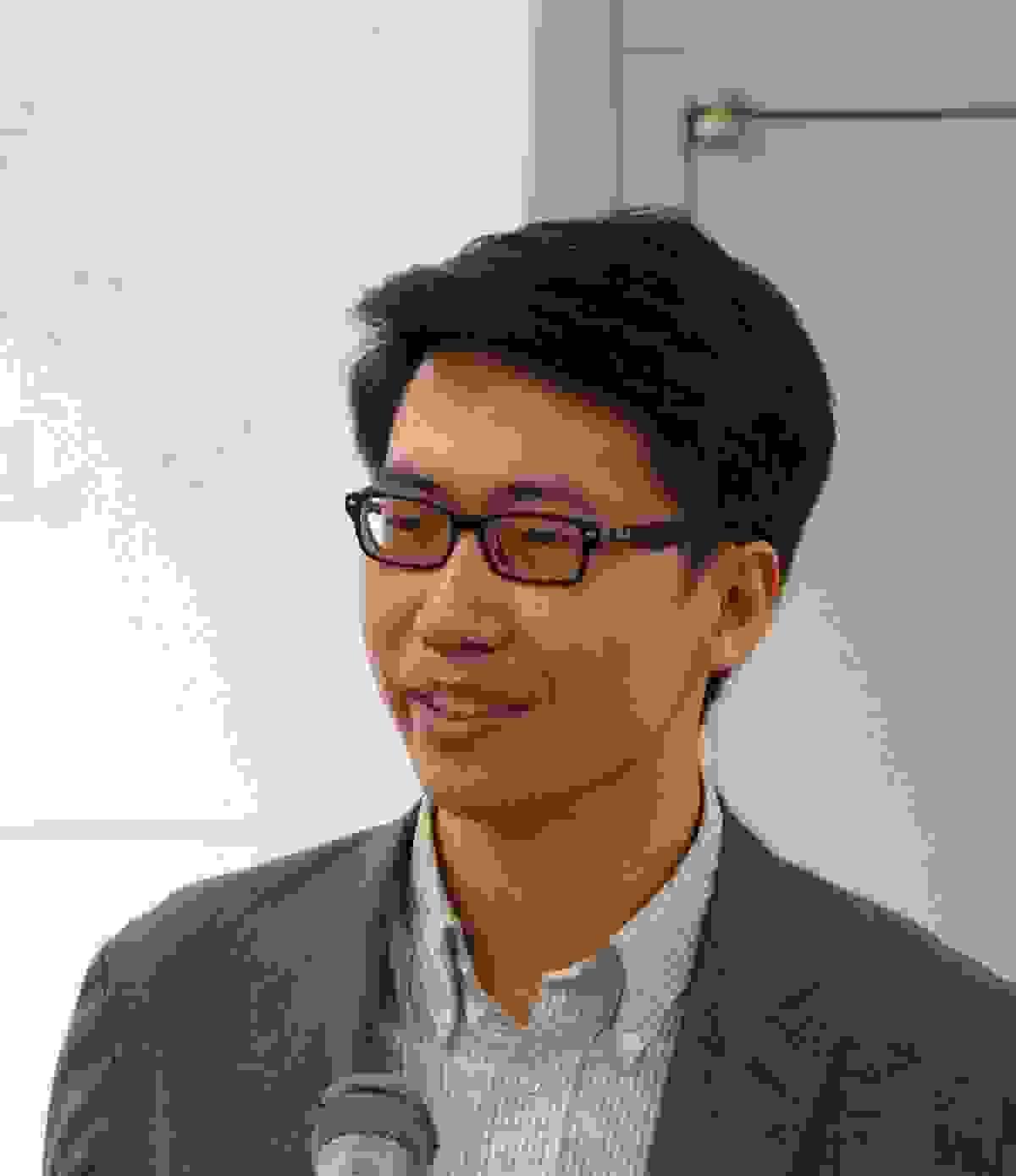
    “無論是在虛構還是非虛構寫作中,每一種語言都承載著其獨特的文化印記與認知框架,影響著作者和讀者對世界的解讀。因此,翻譯不僅是尋求對應語義的過程,更是一場對「現實」的再認識。非常感謝在場翻譯獎學金提供這個難得的機會!”
    — David Yang, Frontline Nonfiction Translation Fellowship, Season 2 Fellow
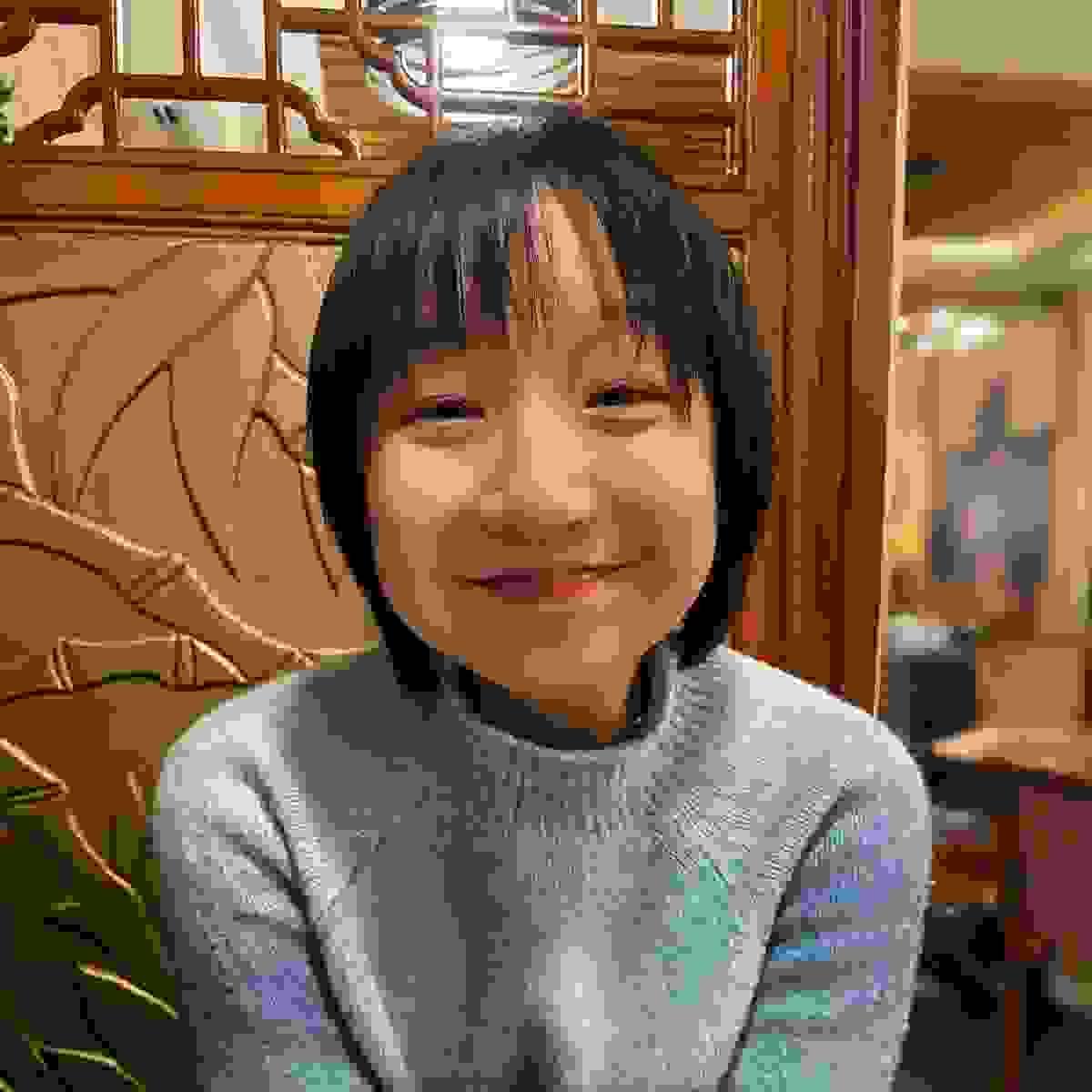
    Section image
    “原來,為他人的故事動容,也是走向自己回家的路。潔琳的故事成了我的好朋友——當我面對自己生命中的縫隙,書寫逝去的人、探尋家庭記憶的時候,伊人幫助我在翻譯之間更加泰然。與有愛有趣的大家共同「在場」,其實是學習如何一起出發,而出發的勇氣和姿態,不問是否或何时抵达。”
    — Hongyu Jasmine Zhu, Frontline Nonfiction Translation Fellowship, Season 2 Fellow
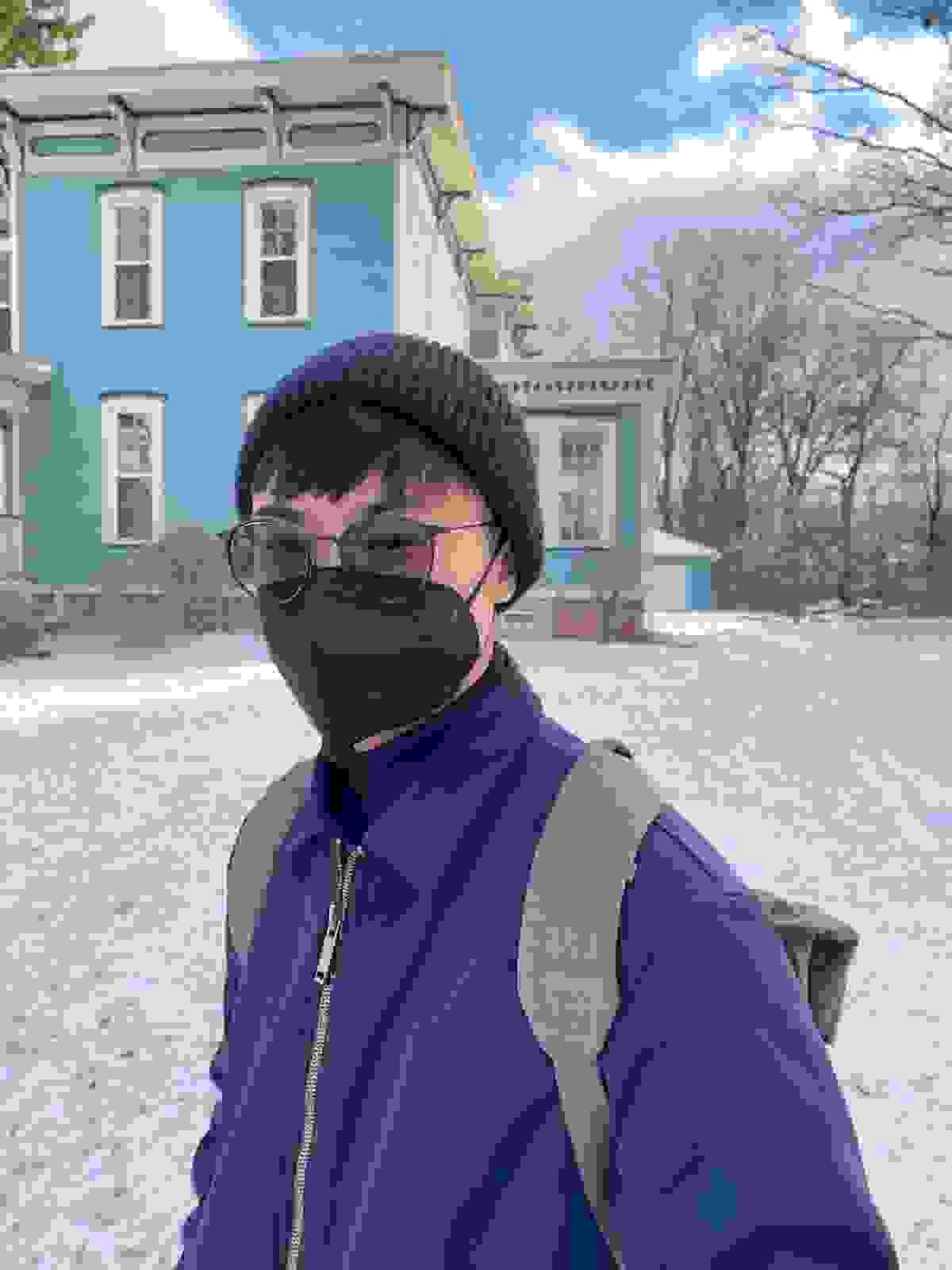
    Section image
    “很感謝能有這樣一個機會,讓我遇見了其他志同道合的譯者,也得到mentor的支持和啟發。在翻譯一篇非常個人的文章時,我感受到翻譯並不只是語言的單向轉換,而是一種深層的,含有政治性的交流。也因此,我和原作者在翻譯內外都建立起了一種親密而獨特的連結。我相信這份經驗以及友情將會一直伴隨我。”
    — Dominic Wong, Frontline Nonfiction Translation Fellowship, Season 2 Fellow
    Section image
    “感謝在場舉辦這次的非虛構翻譯獎學金提供對於非虛構翻譯者一個空間互相認識、切磋琢磨。對身為新手譯者的我來說,這個機會尤其寶貴,期待與在場們以及後續非虛構翻譯獎學金的得獎譯者們持續交流互相學習!”
    — Yo-Ling Chen, the Inaugural Frontline Non-Fiction Translation Fellowship Fellow
    Section image
    “非常感謝在場方、導師和原作者在翻譯過程中的支持和協作,希望以後在場獎學金可以繼續搭建跨越語言、文化和國境的橋樑,建立面向未來的社群。”
    — Diego Ge, the Inaugural Frontline Non-Fiction Translation Fellowship Fellow
    Section image
    “這次經歷真是夏天最甜蜜、珍貴的一段時光。初次見面的 Meet & Greet 真是令人好開心,可以和其他翻譯者聊天, 同時也收穫了老師們分享的翻譯經驗。見到了作者本人和 mentor 也令我感到無比激動。”
    — Ka Kei Lau, the Inaugural Frontline Non-Fiction Translation Fellowship Fellow
    Section image
    “翻譯有時像一種修行,是一種 labor,在跟語言的交流、接觸(包括抵觸)中,某些雜音會淡化,故而推薦失眠、煩惱時食用。如果有一篇文章讓你覺得驚異,有一項獎項鼓勵你再創造出它,真是很好的。”
    — Hongyan Wei, the Inaugural Frontline Non-Fiction Translation Fellowship Fellow

    Section image
    "Bringing emerging translators into conversation with authors and mentors, Frontline Fellowship affirms the art of translation as inherently discursive, and the importance of thoughtfully translating contemporary nonfiction. It was an honor to be part of this lively exploration!"
    — Lilith Acadia
    Mentor Dominic Wong 指導翻譯《泰國——中國跨性別的應許之地》
    Section image
    "Translation is an inherently collaborative process, and the three-way collaborations facilitated by the Frontline program were extremely valuable for all parties. Our collaboration benefitted from the fact that all three participants (author, translator, and mentor) were fluent in both Chinese and English, and the topic of the essay being translated (the language abilities and affective capabilities of new-generation AI chatbots) is one that is not only of interest to all three of us, but furthermore is a topic that has far-reaching implications for the practice of translation itself. As machine translation becomes increasingly reliable, it invites questions of how collaborative approaches to translation may be extended to include not only human participants, but also nonhuman ones. "
    — Carlos Rojas
    Mentor Yo-Ling Chen 指導翻譯《她們的AI戀人——真實或虛妄的愛》
    Mentor David Yang 指導翻譯《愛沙尼亞的中國「數字居民」:通往新身份之路》
    Section image
    "It's a rare opportunity to promote nonfiction writing in both Chinese and in English translation while also offering mentoring to emerging translators."
    — Jennifer Feeley
    Mentor Ka Kei Lau 指導翻譯《在未知中同行:MIRROR 歌迷的連結》
    Section image
    "As writers and readers, even thinkers and social actors, in addition to 'translators,' we are, both Yuqing and Hongyan show us, always translating."
    — Charles Laughlin
    Mentor Hongyan Wei 指導翻譯《夜班老師:在現代中國的社會夾縫中做巫師》
    Section image
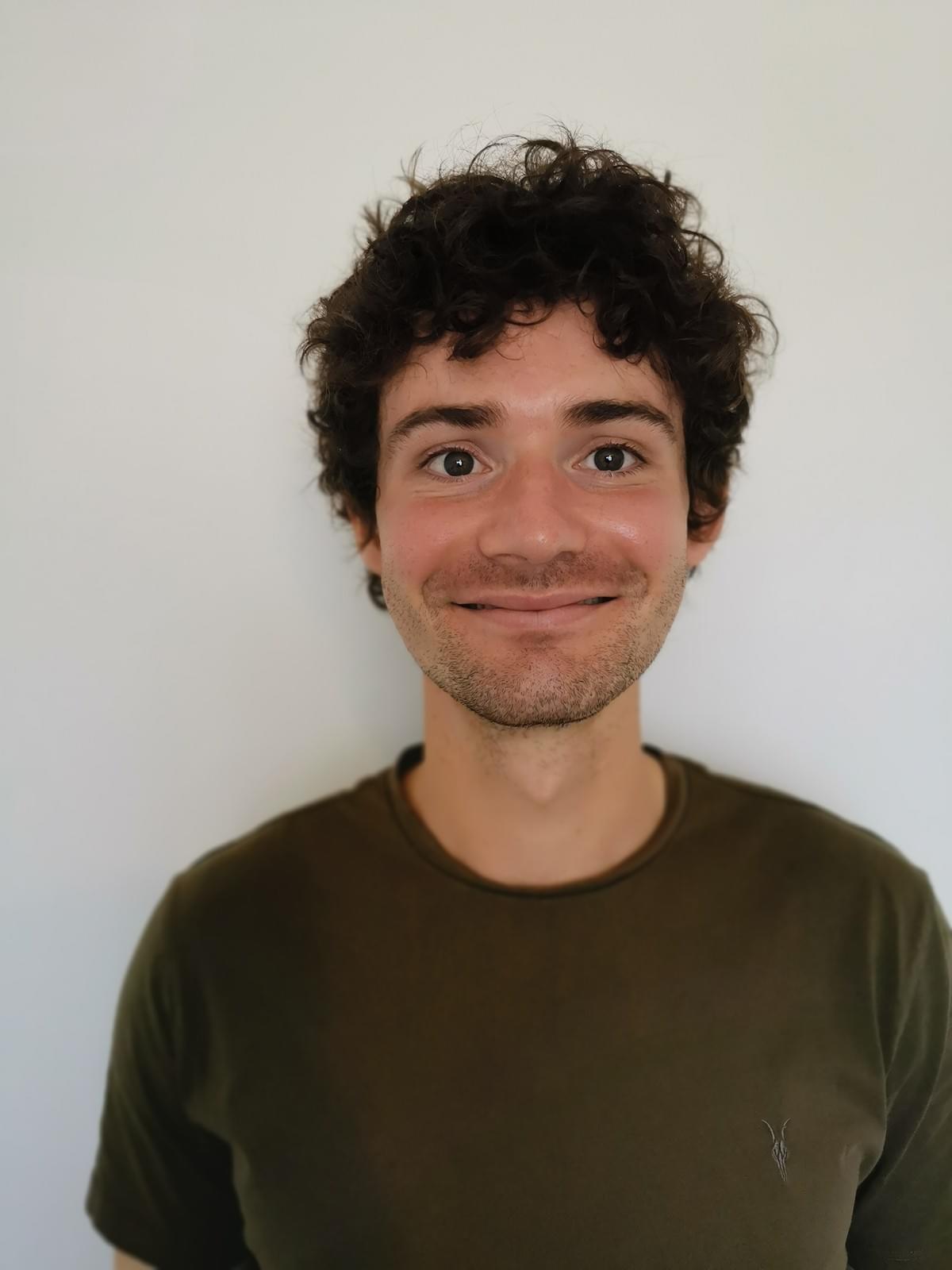
    "Frontline fellowship is doing important work in supporting young translators. By doing so, it creates new possibilities of nuanced storytelling for both Chinese-language writers and English-speaking readers."
    — Han Zhang
    Mentor Diego Ge 指導翻譯《國境之間:「春天革命」與泰緬邊界上的緬甸流亡者》
  • / ABOUT

    .

    The Non-Fiction Translation Fellowship is jointly funded by Cheng Shewo Memorial Fund, Duke Story Lab, and Frontline Fellowship in 2024. Beyond nurturing and supporting beginner nonfiction translators, we aim not only to translate the language but also to capture cultural nuances, bridging communication and understanding between different boundaries. The fellowship invites translators and authors to collaborate, providing financial support, one-on-one mentorship, and assistance with publication. It is open to individuals of all nationalities, geographic locations, and backgrounds.​

    「在場 · 非虛構翻譯獎學金」由成舍我紀念基金會、杜克大學故事實驗室與在場 · 獎學金,於2024年聯合成立,旨在培養非虛構翻譯的新人,華語英譯「在場・非虛構寫作獎學金」得獎作品,不只翻譯語言,更將細微語境轉譯——在不同文化之間搭起溝通與理解的橋樑。

    Co-Founders

    Eileen Chengyin Chow, Duke Story Lab Founding Director, Translator

    Annie Jieping Zhang, Founder of Frontline Fellowship, Non-Fiction Writer

    Co-Sponsors

    Frontline Fellowship

    Cheng Shewo Memorial Foundation

    Duke Story Lab (at Duke University)

    .

© 2026FrontlineFellowship

聯絡信箱:hi@frontlinefellowship.io

    主頁
    聯繫我們
Cookie的使用
我們使用cookies來確保流暢的瀏覽體驗。若繼續,我們會認爲你接受使用cookies。
了解更多